A Calm Guide to Your First Fly-Fishing Session in NZ
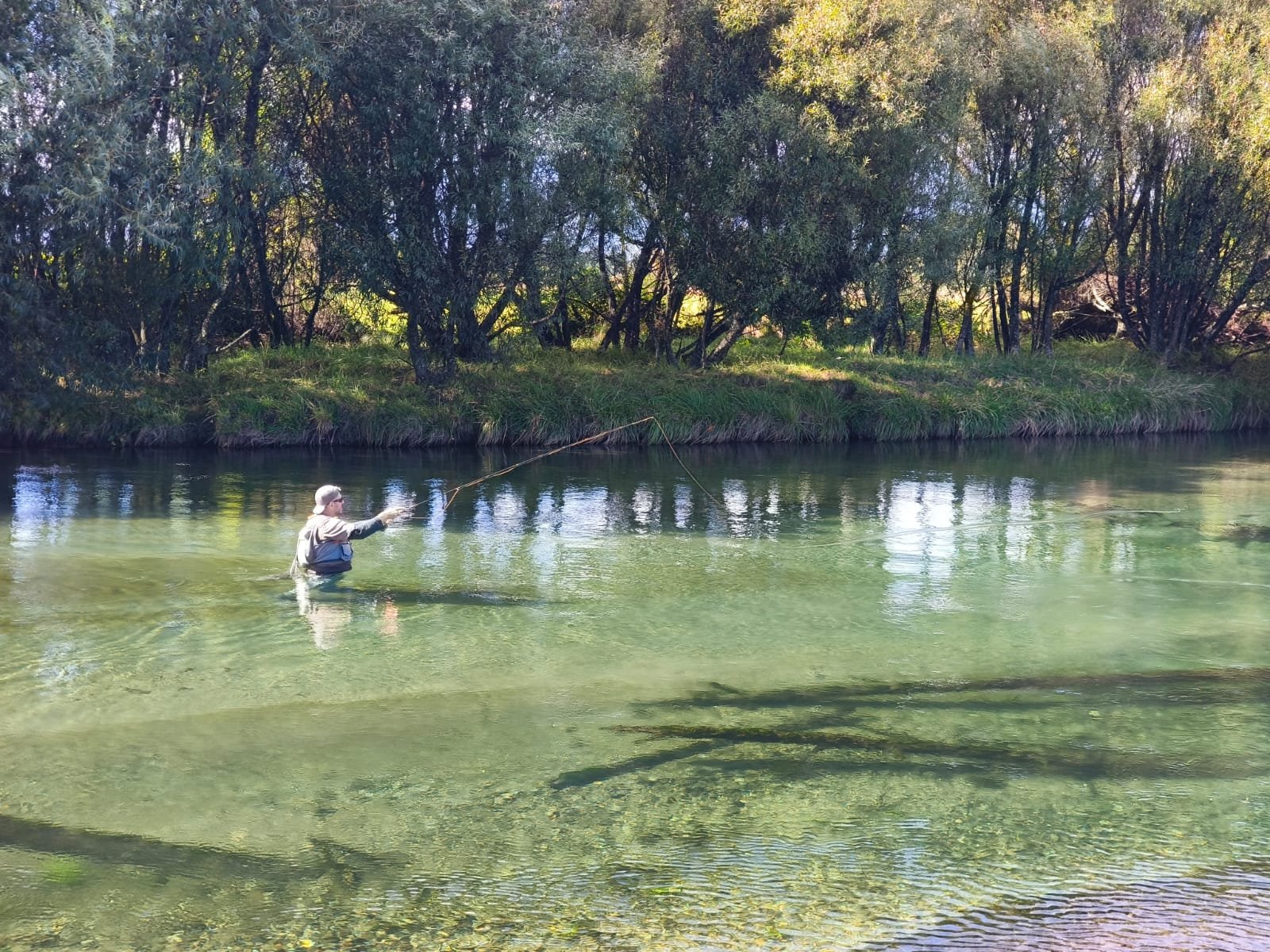
Your first fly fishing experience doesn't need to be complicated
If you've never stood in a river with a fly rod before, the idea of fly fishing in New Zealand can feel a little intimidating. There are rods and reels, flies you've never heard of, knots you don't know how to tie and, from the outside at least, an entire language that everyone else seems to understand.
The good news is that you don't need to know any of it before you start.
Your first day doesn't need to look like the fly fishing films, and you certainly don't need to arrive knowing how to cast. You just need a good guide, a little patience and a willingness to learn.
That's what this guide is about. We'll walk you through what your first fly fishing experience on New Zealand's West Coast actually looks like, from the equipment and the cost to the seasons, your first cast and what happens when you finally step onto the river.
And hopefully, by the end, something that might have seemed a little daunting will feel much more achievable.
Begin with a guide, not a guess
For a beginner, one of the best things you can do is resist the temptation to buy a pile of equipment or spend hours trying to teach yourself before you arrive. Start with someone who knows the rivers and, just as importantly, knows how to teach someone who has never done this before.
A good guide takes care of the things you don't yet know how to do. They'll set up the equipment, choose the flies, teach you the basics of casting and show you how to begin reading the water, something experienced anglers can spend years learning.
All you really need to bring is curiosity.
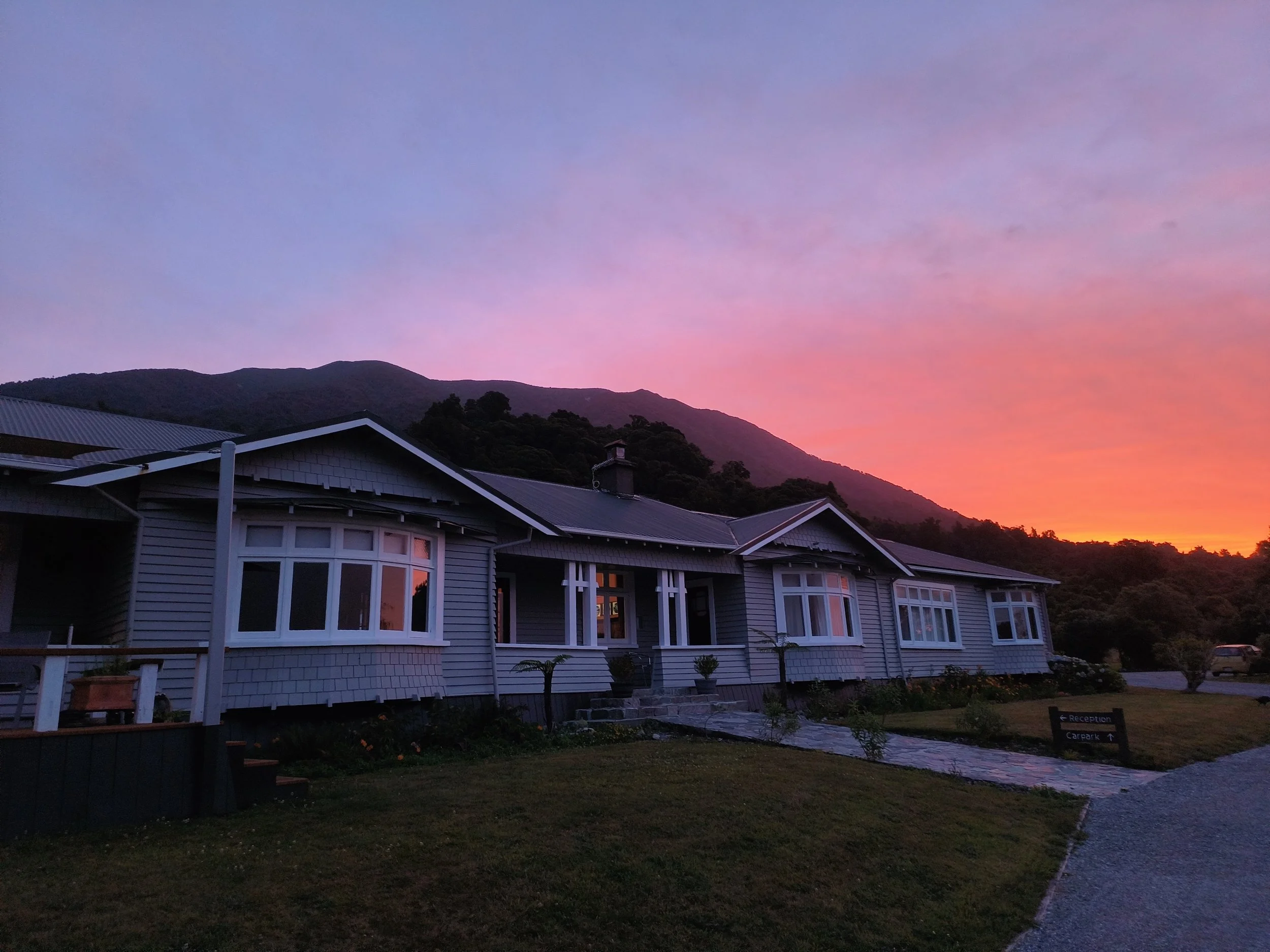
That's exactly how we approach fly fishing at Lake Brunner Eco Lodge. We can arrange the guiding, equipment and practical details as part of your stay, so instead of trying to piece together your first New Zealand fly fishing trip yourself, you can arrive knowing it's already been taken care of.
Then you can concentrate on the part you actually came for: learning to cast, stepping onto a beautiful West Coast river and seeing what happens.
The kit, explained simply
The good news is that you don't need to arrive with a car boot full of fishing gear — or buy a single piece of equipment before you come. If you're new to fly fishing, we'll make sure you have what you need. But it helps to understand what you're looking at when you first step onto the river.
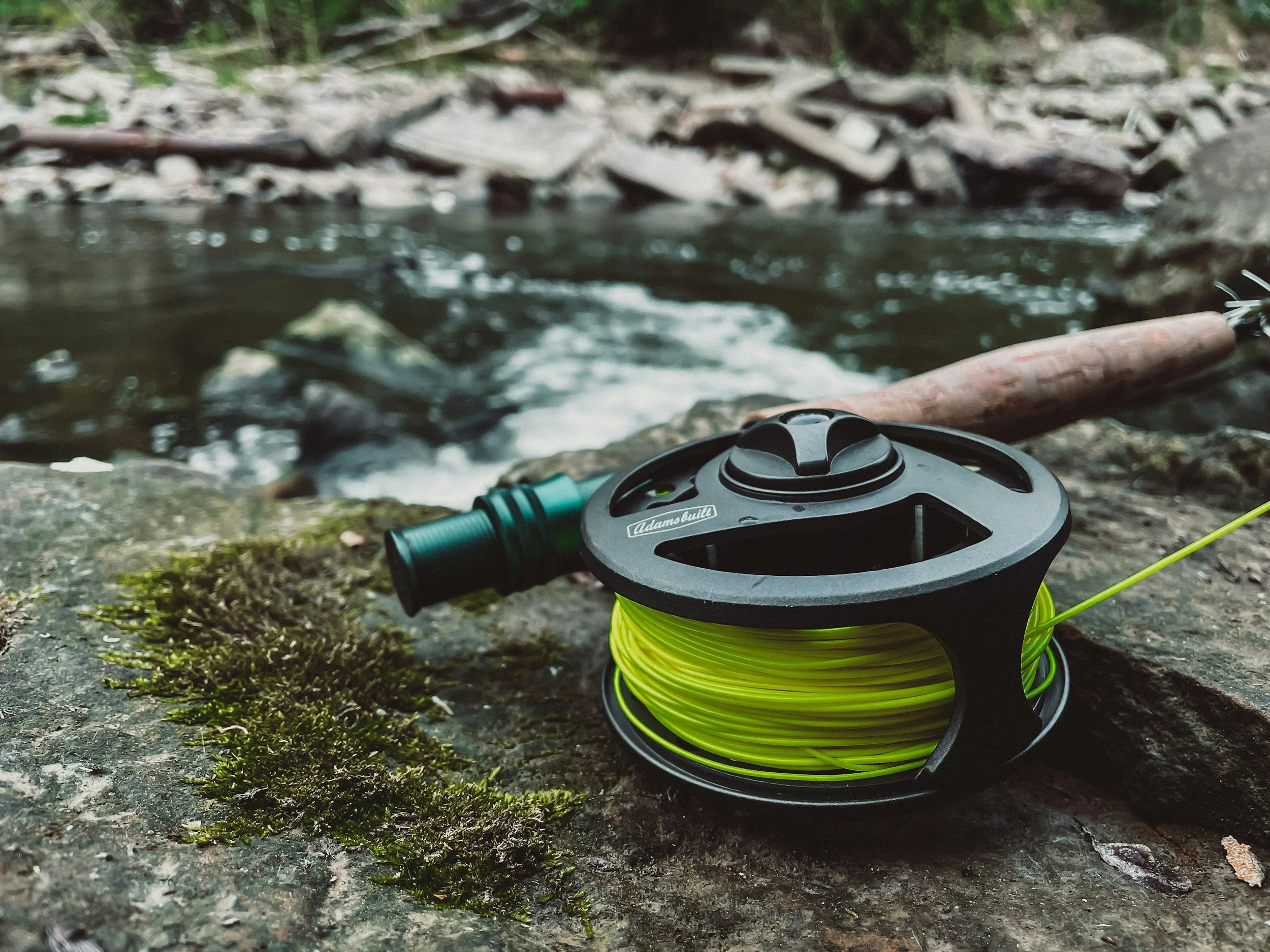
The fly rod and line work a little differently from the fishing gear you may be familiar with. Rather than casting the weight of a lure, in fly fishing it's the line itself that carries the tiny fly out onto the water. For beginners, a 9-foot, 5-weight rod is a wonderfully forgiving place to start; it's versatile enough for much of the fishing we do here and makes learning to cast feel far less intimidating than it might look.
The floating line sits on the surface of the water and allows you to present a very small, lightweight fly to a trout without needing the weight of a conventional lure.
The flies themselves are tiny and often surprisingly simple. They're tied to imitate the insects trout are feeding on, and choosing the right one depends on the river, the conditions and what the fish happen to be interested in that day. That's where local knowledge becomes far more useful than a tackle box full of options.
Waders and the right clothing keep you warm and comfortable while you're on the water. That might sound like a small detail, but when you're standing in a beautiful West Coast river for several hours, being warm and dry makes an enormous difference to how much you enjoy the day.
And most importantly, you don't need to work any of this out before you arrive. On a guided fishing experience, the equipment, flies and local knowledge are taken care of, with decisions made according to the river, the season and the conditions on the day.
You just get to learn, enjoy being on the water, and hopefully experience the rather wonderful moment when a wild brown trout finally takes your fly.
Seasons on a West Coast river
The West Coast trout season runs from 1 October through to 30 April, and there isn't really one "perfect" time to come. The rivers change throughout the season, and each month brings slightly different conditions, challenges and opportunities.
In October and November, the season is just getting underway. The water is cooler, insect activity can be lower, and the fishing can reward patience and careful presentation. It's a beautiful time to be on the rivers, particularly if you enjoy the freshness of spring and don't mind conditions being a little less predictable.
By December, January and February, summer has arrived. The days are longer, insect activity increases and there are more opportunities to see trout feeding near the surface. It's also the time of year when spending a full day beside, and sometimes in, a West Coast river feels particularly good. On warmer days, you may not need waders at all.
March and April bring a different feel again. The days begin to shorten, there are generally fewer anglers around, and the fishing can still be extremely rewarding as the season moves towards its close.
What matters most on the West Coast, though, isn't choosing the supposedly perfect week months in advance. Weather, river flows and water clarity can change quickly here, sometimes overnight, which is why local knowledge makes such a difference.
Rather than deciding months ahead exactly which river you'll fish, your guide assesses the conditions and chooses the water that gives you the best opportunity on the day.
That's part of fishing the West Coast. You don't try to make the river fit the plan. You make the plan fit the river.
Your first session, step by step
There is no exam, and nobody expects you to know what you're doing. Your guide will start with the basics and take things at a pace that feels comfortable.
Usually, you'll begin on the riverbank learning how to cast. Fly casting feels quite different from other types of fishing because you're using the weight of the line rather than a lure to make the cast. Your guide will show you the movement, help you find the rhythm, and give you time to practise. It can feel a little awkward at first, but most beginners are surprised by how quickly it starts to make sense.
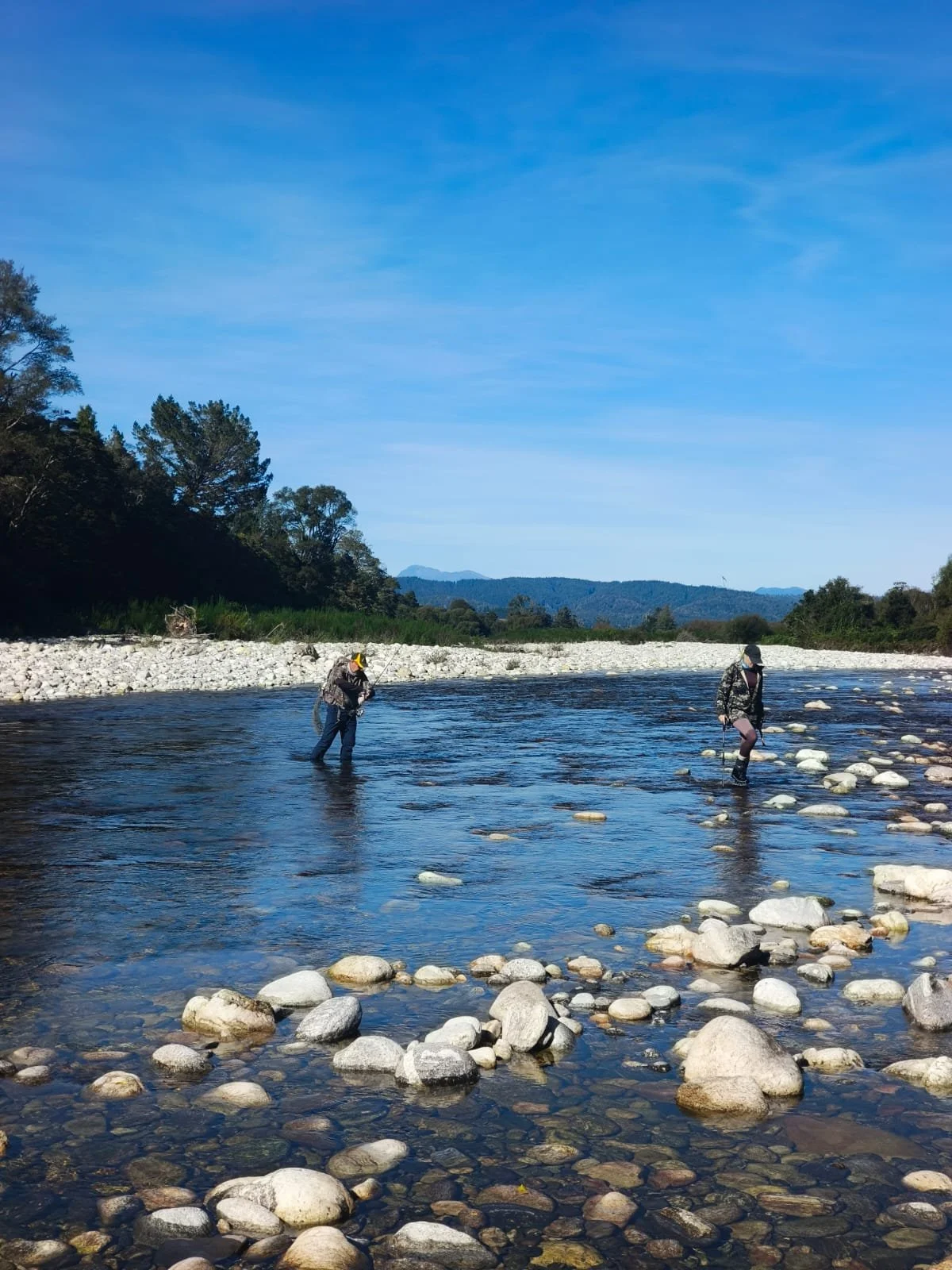
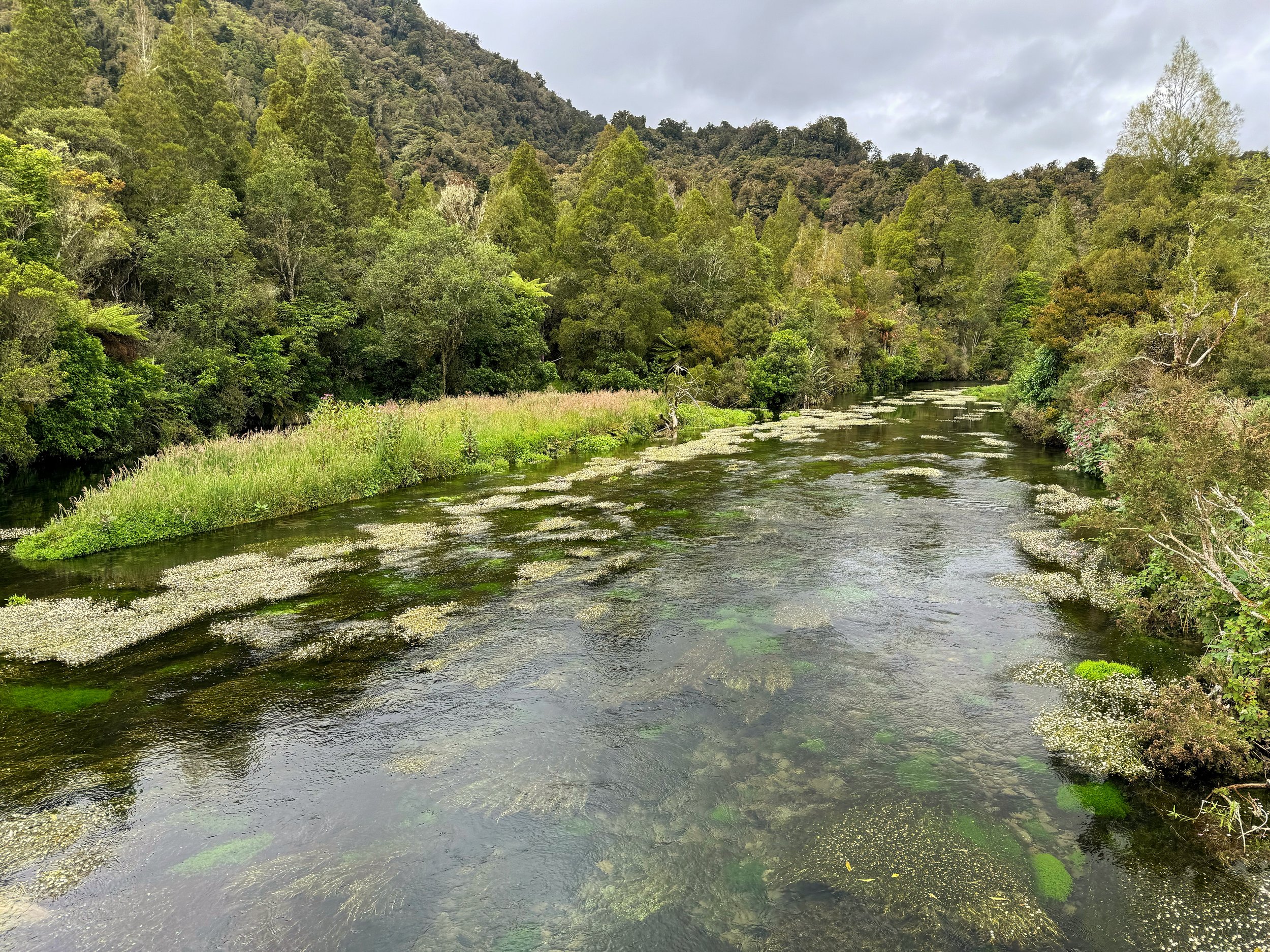
Once you're comfortable, you'll move onto the water and start learning something that's just as important as casting: how to read the river. Your guide will show you where trout are likely to be holding, perhaps in the quieter water behind a rock, along the edge of a run or tucked close to the bank, and gradually you'll begin to see a river very differently.
Then comes the exciting part.
You'll make your cast, watch the fly drift naturally with the current and wait. Sometimes nothing happens and you try again. Sometimes your guide spots something you've completely missed and quietly tells you where to look.
And then, if everything comes together, there's a movement in the water, a flash beneath the surface, and suddenly you're connected to your first West Coast brown trout.
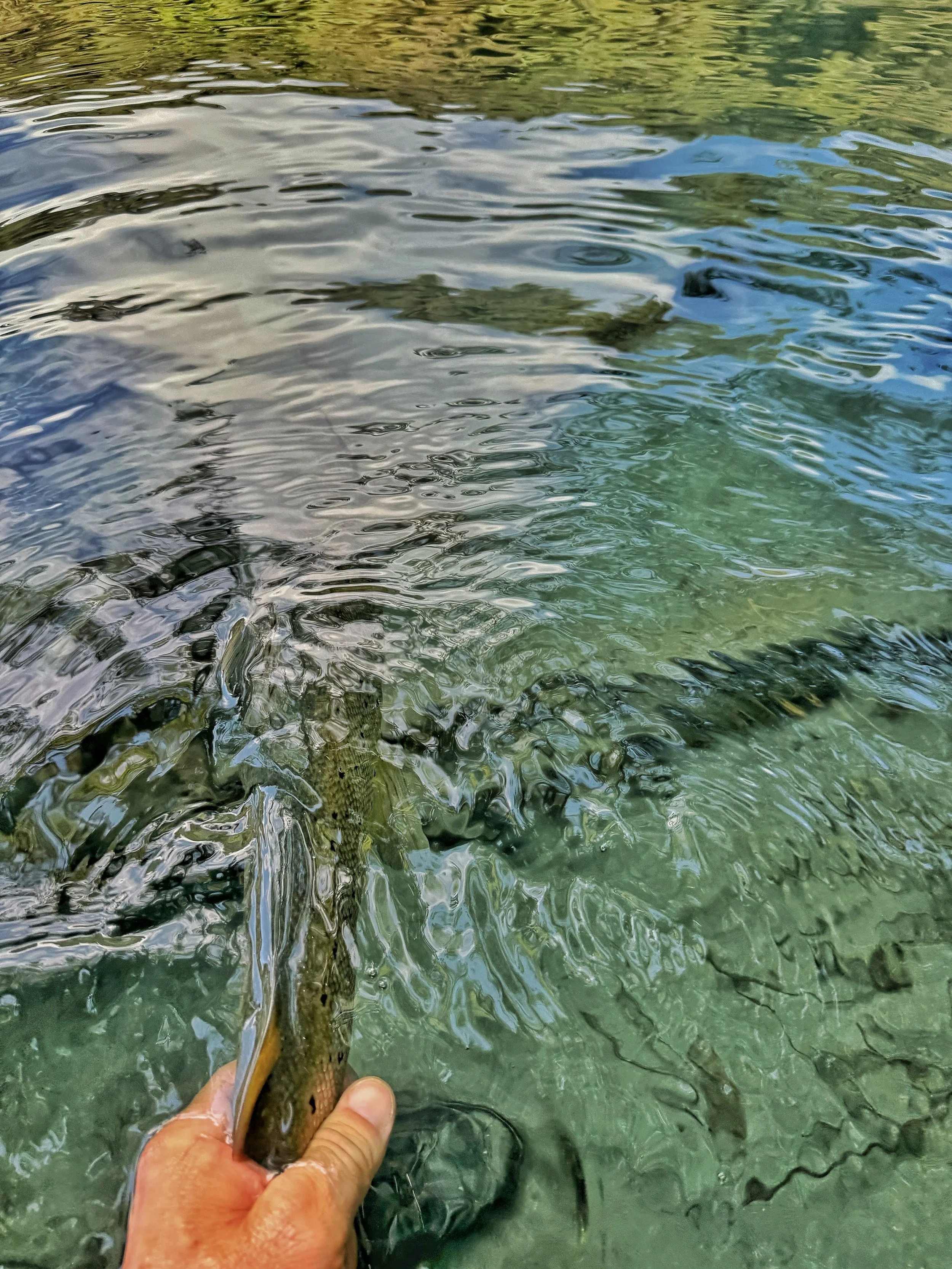
Landing a fish isn't guaranteed, of course. That's part of fly fishing and part of what makes catching one so rewarding. Your guide will be beside you throughout, helping with everything from your first cast to safely landing, admiring and releasing a fish if you're lucky enough to catch one.
Whether you finish the day with a trout story or simply a much better understanding of the river, you'll have experienced something completely different from standing on the bank and watching someone else fish.
And there's a good chance you'll want to have another cast.

What a first trip actually costs
Let's talk about cost, because it's one of the first things people want to know when they're considering a fly fishing trip in New Zealand, and it deserves a straightforward answer.
A day with an experienced fly fishing guide isn't a cheap day out. You're paying for much more than someone to stand beside you on the river. A guide brings years of local knowledge, knows which rivers are fishing well, understands how weather and river conditions are changing, provides the equipment and flies you need, and, particularly for a beginner, spends the day teaching you how to read the water, cast and hopefully put yourself in front of a trout.
For someone new to fly fishing, that last part matters. You don't need to buy a rod, waders, flies and all the other equipment before discovering whether fly fishing is actually for you. Everything you need can be provided, so your first investment is in the experience rather than a cupboard full of fishing gear.
If you're travelling specifically to fish, it's also worth looking beyond the price of the guide for the day and considering the cost of the trip as a whole. Accommodation, meals, transport, equipment, fishing access and guiding can quickly add up when they're organised separately, and there's also the time involved in researching and coordinating everything yourself.
That's exactly why we offer complete fly fishing packages at Lake Brunner Eco Lodge. We bring your accommodation, meals, guiding and the practical details of your fishing stay together, so you don't have to spend weeks working out where to stay, who to fish with, what equipment you'll need or how everything fits together. You arrive, settle in, and we take care of the rest.
For us, that's an important part of a great fly fishing holiday. The experience shouldn't begin with a spreadsheet full of bookings and logistics. It should begin with the excitement of knowing you're coming to the West Coast to fish.
The exact cost will depend on the length of your stay, how many days you'd like to fish, whether you're fishing alone or with someone else, and the type of experience you're looking for. But rather than choosing purely on the cheapest daily rate, we'd suggest asking a slightly different question:
What am I actually getting for the money?
For a first fly fishing trip, having the right guide, the right equipment and the local knowledge to put you on the right water can make the difference between spending a day wondering what you're doing and coming home understanding why people fall in love with this kind of fishing.
The reward is about more than the fish
Of course, catching a wild brown trout is part of the excitement. There's the anticipation, the concentration, and hopefully that unforgettable moment when a trout finally takes your fly and everything you've been learning suddenly comes together.
But ask people what they remember about a day on the river, and it's often about much more than the fish.
It's standing in a West Coast river you've never stepped into before, surrounded by native bush and mountains, with nowhere else you need to be. It's the quiet between casts, the patience of watching the water, and the satisfaction of slowly beginning to understand something that seemed completely foreign only a few hours earlier.
And then there's the feeling at the end of the day. You return to the lodge pleasantly tired, perhaps still talking about the trout that took your fly or the one that got away. There's a warm shower waiting, dinner is taken care of, the fire is going, and you can sit back with a drink and relive the day without having to organise a thing.
That's one of the things we love about fly fishing here. The fishing gives you a reason to step into the landscape, but the experience becomes something much bigger than simply catching a fish.
If you've been wondering whether you could try fly fishing in New Zealand, you can. You don't need the equipment, the experience or all the answers before you arrive. Bring your curiosity and a willingness to learn, and we'll help take care of the rest.